Some of the people living in the estate buildings
Living on a country estate:
In 1841 Ezekiel How, a 55 year old agricultural labourer was living at Russell Farm Lodge with his wife and daughter. William Copper is a 25 year old agricultural labourer also living there.
Note – Some of the staff working at Russells after 1862 may have previously been working for the Copeland family in Leyton, Esssex and Bushey, Herts.
In 1871 John Bean, an agricultural labourer was living at Russell Farm Lodge with his wife Sarah.
In 1871 John Derby, a 54 year old coachman, was living with his wife at Russell House Coachhouse – rooms above.
1871 and 1881 William Sibley (1841 to 1920) is Bailiff/Head Gardener living at Russell Farm Yard/Garden with his wife Emma and daughter Evelyn Clara. Emma is the daughter of John Darby coachman in 1871 at Russell Farm. William was left an amount in the will of WT Copeland in 1868 and then worked for the son, possibly until they left in 1889. In 1891 he is a farmer at Leavesden. He was running two farms -8 acres at Russell Farm and one at Legatts but it seems that William went bankrupt in 1897.
In 1891 the Russell Farm Coachman is Henry Ellis.
In 1901 Walter Chennels, aged 34, is living at Russell Farm ‘The Lodge’ with his family. Mr Chennels is also shown again in 1911. By 1921 he is working somewhere else, but his son Lewis is working for the Maharajah at Russells. (Lewis joined up n 1914 and served with the 1st Kents Regiment.)
In the 1911 census summary various people are listed;

- Charles Edward Thompson, a coachman aged 53, with family, in the rooms over stable.
- William George Gristwood, Foreman Gardener aged 31.
- Frederick Beck, gardeneraged 61, with wife and two children.
- James Nichols, a journeyman gardener,–aged 19?
Mr Manton, is living in a room over garage, chauffer, aged 24. (Possibly Thomas Samuel Manton who marries in Watford, and goes on to become a bus driver.
At this stage Lewis Evans may still have used horse-drawn carriages but also had a car.
“At the beginning of Edward VII’s nine year reign, the motorcar was simply a status symbol that only the very rich could afford to purchase and maintain. The horse, generally cheaper and familiar to the population, continued to dominate everyday travel and transportation, but by 1910, equine transport had become almost obsolete” 1Edwardian Transportation: The Car, 2011, Holland, Evangeline
When the Russell Farm house was advertised for sale in 1930 it included details of a chauffeur’s and Butler’s cottage.
1921 George Rance was living at Russell Lodge, aged 68, gardener for the Maharajah.
In the early 1900’s the Watford Electoral Registers show men living at Russells Bothy for example, in the 1912 list William Gristwood.

The Bothy at Russell Farm was located by the old Kitchen Gardens
“A garden bothy, historically, refers to basic accommodation, often for gardeners or other estate workers, usually found within or near walled gardens, and the term “bothy” itself comes from the Gaelic word “bothan” meaning hut or cabin”
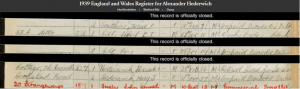
1921 Alexander Hedderwick, aged 65, Gardener Bailiff is employed by the Maharajah and is living with his wife, son and daughter at East Lodge. In 1939 he is living with his wife at ‘The Cottage’, The Russells, a retired gardener.
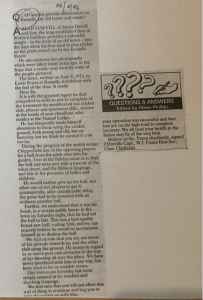
From a Watford Observer article:
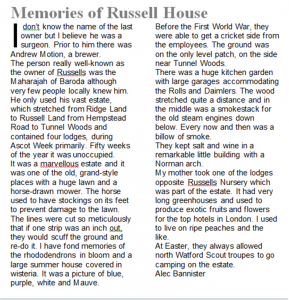
Lives of the staff living in Russell House
“Just after the turn of the nineteenth century in 1901 1.5 million people across the United Kingdom worked as domestic servants. That’s 4% of the population engaged in domestic service, as butlers, footmen, valets, housemaids, cooks, scullery maids and the like.” 2Rose Staveley-Wadham, 2022, Exploring The Daily Lives of Servants Using Our Newspapers, Headlines from History The British Newspaper Archive,
+++++++++++++++++++++
The census records lists the staff members living at Russells on census night but it is hard to track their ‘life stories’ as the households changed so often.
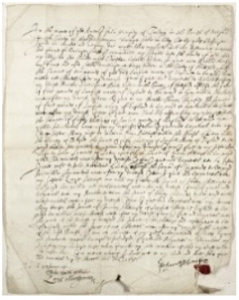
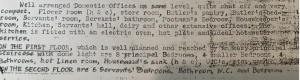
When the house was advertised for sale in 1930 it mentioned the servants’ rooms;
In 1871 there are the following staff living at Russell House.
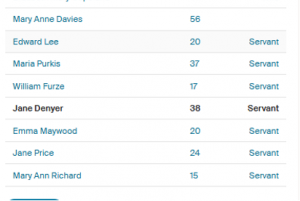
Jane Denyer is possibly the daughter of George Denyer who was left £100 in Copeland’s will. Georges’s wife Ann died in 1866 at Russell farm, but he does not appear on any of the census records at Russells. (Note – In 1861 George was the Farm Bailiff for Copeland at the Manor House, Bushey.)
1914-1918 World War I
WW1 would undoubtedly have had an impact on the people living and working at Russell Farm but more research is required.
Historic Uk in Rise and Fall of the English Stately Home describes:
“Whilst the degradation of the country home accompanied the changing social situation of the nation, the ultimate impact was felt when the sad and horrific effects of World War One played out.
In many households, their young male staff members left to fight abroad, some sadly never returning. Others meanwhile left the big house in order to contribute to the war effort by working in munitions factories.
This changing workforce also resulted in increased rural to urban migration after the war reached its conclusion, with many seeking different types of jobs, with fixed hours, better wages and the promise of more home life.
Times were changing and the country house lifestyle simply did not suit these conditions.”
Cricket at Russells
In the 30th July 1910 Watford Observer it was reported that Watford Clarence played Paget at Russell farm